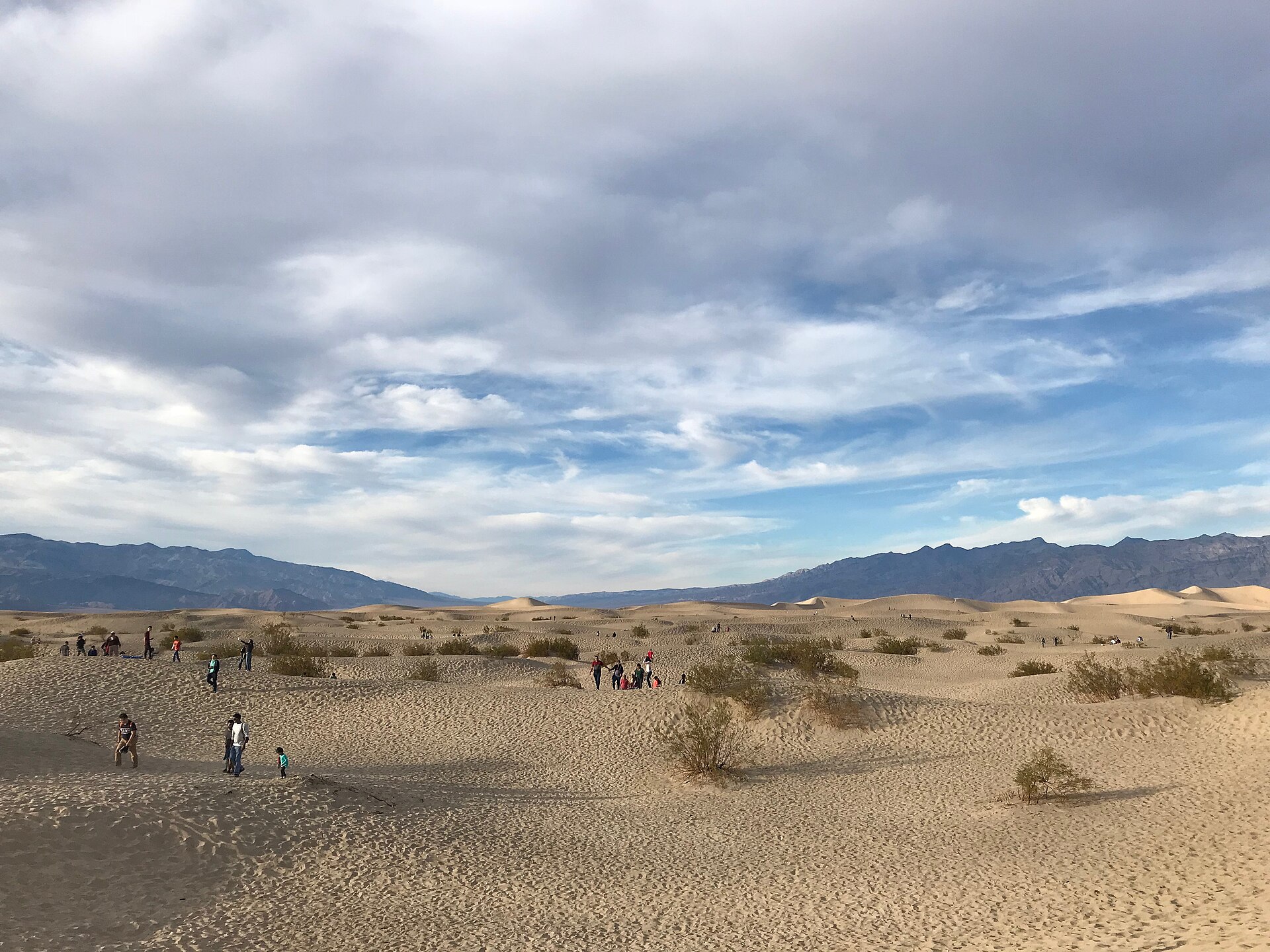
Heat is the quietest killer on this site. There is no rubble and no wall of water. People die indoors, often alone, in apartments that keep getting hotter after the sun goes down.
The June 2021 heat dome
In late June 2021, a ridge of high pressure parked over the Pacific Northwest and trapped hot air beneath it. Portland broke its all-time record three days running: 108°F on June 26, 112°F on June 27 and 116°F on June 28. Salem hit 117°F. In British Columbia, the village of Lytton reached 121.3°F (49.6°C), the highest temperature ever recorded in Canada, and burned in a wildfire the next day.
British Columbia's coroners attributed 619 deaths to the heat. Oregon and Washington together reported well over a hundred more, with Oregon's deaths concentrated in Multnomah County. Most were older adults who lived alone without working air conditioning. Scientists at World Weather Attribution concluded the event would have been virtually impossible without human-caused climate change.
Why heat is so dangerous here
- Homes weren't built for it. Many Northwest houses and apartments have no air conditioning. Upper floors and top-floor units can stay far hotter than outside air overnight.
- Bodies aren't used to it. People acclimated to mild summers are more vulnerable to a sudden spike than people in places where heat is routine.
- Nights don't cool off. The most dangerous heat waves are the ones where overnight lows stay high, so the body never gets a chance to recover.
- It overlaps with other hazards. Heat dries out forests for wildfire season, strains the power grid, and can coincide with smoke that makes opening windows a bad idea.
Who is most at risk
Older adults, especially those living alone; infants and young children; people with heart, lung or kidney disease; people on certain medications, including some for blood pressure and mental health; outdoor workers; and people without stable housing. If someone in your life fits that list, the most important step in a heat wave is simple: check on them, in person or by phone, at least twice a day.
Heat exhaustion vs. heat stroke
Heat exhaustion: heavy sweating, cold and clammy skin, weakness, nausea, headache, dizziness. Move to a cooler place, loosen clothing, sip water, and cool down with wet cloths.
Heat stroke is a medical emergency: body temperature of 103°F or higher, hot red skin that may be dry, a fast strong pulse, confusion, or passing out. Call 911, move the person somewhere cooler, and cool them with water or wet cloths while you wait.
How to prepare before the next one
- Pick your cool room. Choose the coolest room in your home, usually on the lowest floor, and plan to live there during a heat wave.
- Get a cooling plan in place now. A heat pump, window unit or portable air conditioner is far easier to buy in April than during a heat wave, when stores sell out.
- Block the sun. Close blinds and curtains on sun-facing windows during the day. Reflective window film helps on the worst-exposed glass.
- Know where to go. Counties open cooling centers during heat emergencies. In Oregon, dial 211 or visit 211info to find the nearest one. Libraries and malls are other air-conditioned options.
- Plan for a power outage. Heat and outages often arrive together. A battery power station can keep a fan and a phone running; keep extra water on hand.
- Watch the forecast. Sign up for local alerts and pay attention when the National Weather Service issues an Extreme Heat Warning.
See the gear page for the cooling, power and water items we recommend.
This page is general preparedness information, not medical advice. If you think someone has heat stroke, call 911. Figures come from the National Weather Service, the BC Coroners Service, state health agencies and World Weather Attribution. Last reviewed October 5, 2026.