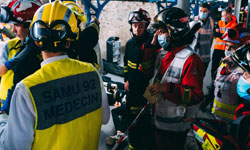
Terrorism is the disaster whose damage is measured less in casualties than in the fear and policy it leaves behind.
A disaster measured in more than deaths
By raw toll, terrorism ranks below almost every other category on this list. Its power is psychological and political: a single coordinated attack can rewrite laws, economies, and the texture of daily life.
The 9/11 attacks remain the deadliest in modern history and the benchmark against which security is still designed. The threat has since fragmented — from organized cells to lone actors, and increasingly toward infrastructure rather than crowds.
“If you see something, say something.”
Personal safety without paranoia
The individual defense against terrorism isn't fear; it's awareness. Knowing the exits in any crowded venue, trusting instincts about what's out of place, and basic trauma first-aid do more good than worry ever will.
Stop-the-bleed training and a simple trauma kit have saved lives in mass-casualty events long before professional help could arrive.
Soft targets & infrastructure
Portland's events, transit, and public spaces are the same kinds of “soft targets” found in any city, and the region's bridges, ports, and power infrastructure are part of the broader security picture.
The practical takeaway is all-hazards: situational awareness in crowds, a family communication plan, and trauma first-aid skills that work for any sudden injury — from an attack, an accident, or a natural disaster.
Readiness that transfers
The good news is that preparing for terrorism overlaps almost entirely with preparing for any sudden emergency: a way to communicate, a reunification plan, basic first aid, and the calm that comes from having thought it through in advance.
None of that capability is wasted — it works just as well for a car crash or a natural disaster as for an attack.